
What Are Spam Traps?
Spam traps don't belong on your email list. Learn what they are and how they affect your deliverability.
Learn more

Written by Zach Nonnemacher
Updated on 29th July 2026
Knowing how to verify email addresses is one of the easiest ways to improve email deliverabilityⓘ and keep your sender reputation healthy. While there are several ways to check whether an email address is valid, not all methods provide the same level of accuracy. In this guide, ZeroBounce's email deliverabilityⓘ experts explain what email verification is and why it’s important, the most common email verification methods, how they work, and when to use each one.
This guide covers everything you need to know about how to verify email addresses.
Email verification is a process that checks whether an email address is valid and configured to receive incoming messages.
Email verification and validation are sometimes used interchangeably, though they are different processes that complement each other. Email validation is a process for checking that the email address uses the correct syntax. A valid email address must always follow this format:
Username @ Domain Name .com (or some other TLD, e.g., .net, .edu, .gov)
While validation checks the syntax, verification is a more technical process which involves various checks, including:
An email address must successfully pass all of these verification checks to be considered verified and valid for use.
Email verification is critical for anyone who participates in email outreach, including email marketers, sales and business development, recruiters, and more. Here’s why:
The most direct method to verify an email address is to send an email. To do this, create an email as normal and attempt the delivery. If the email address is invalid, your message will return with a bounceback message.
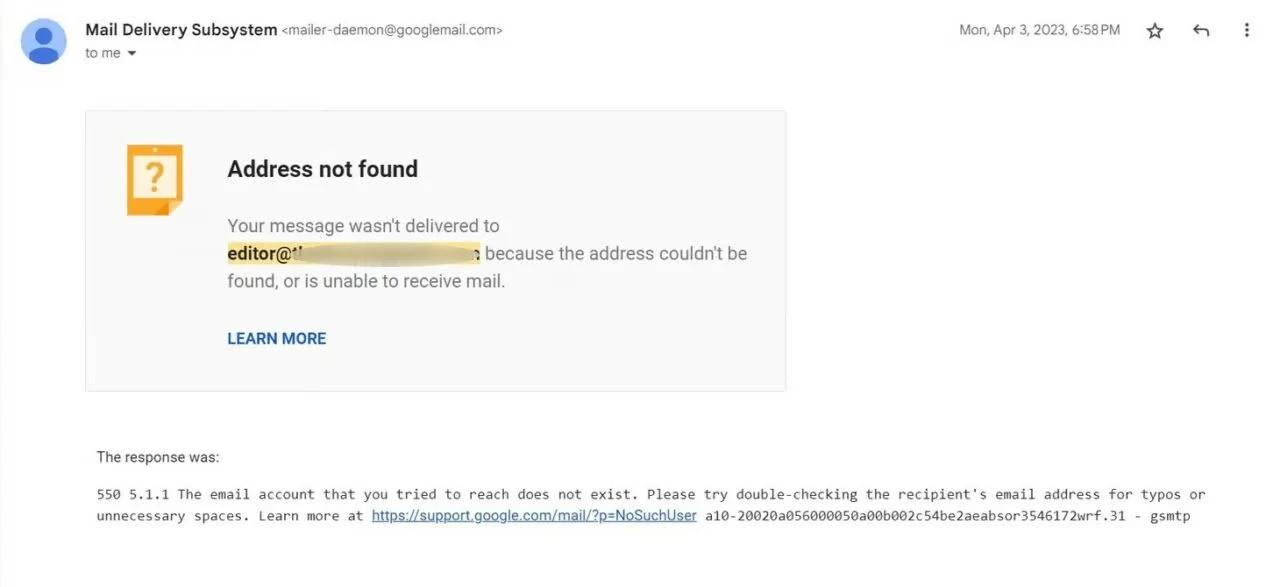
If the email address you’re trying to contact is invalid, it will bounce back to you.
If you receive a bounce notification, delete the address from your email list.
However, there are a few significant issues with this method:
It’s possible to locate the email address via Google if it’s listed on a website, social media profile, or some other public listing. Enter the email address into the search bar, and check the returned results.
However, even if your search returns a result, the address you find is not guaranteed to be current. Using this method requires you to send a test email, which poses the risks described above.
Email pinging sends a message to the mail server you’re trying to verify without sending an actual email. If the attempt to reach the server is successful, the address may be valid.
You can ping an email server using TELNET commands. You may need to enable this first on your PC:
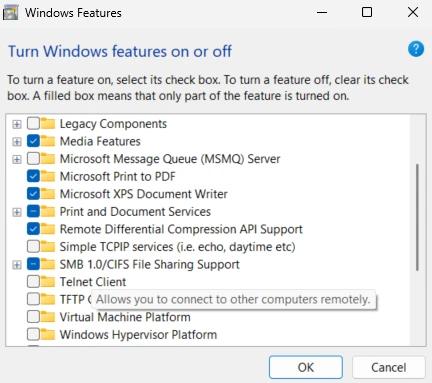
Select Telnet Client from the menu.

Based on the results, you can determine if the address is valid or unknown by the mail server.
However, manual pinging has several significant drawbacks:
An email verification tool provides the most accurate results and eliminates any drawbacks related to the labor or infrastructure required.
Here’s how an email verification tool works.
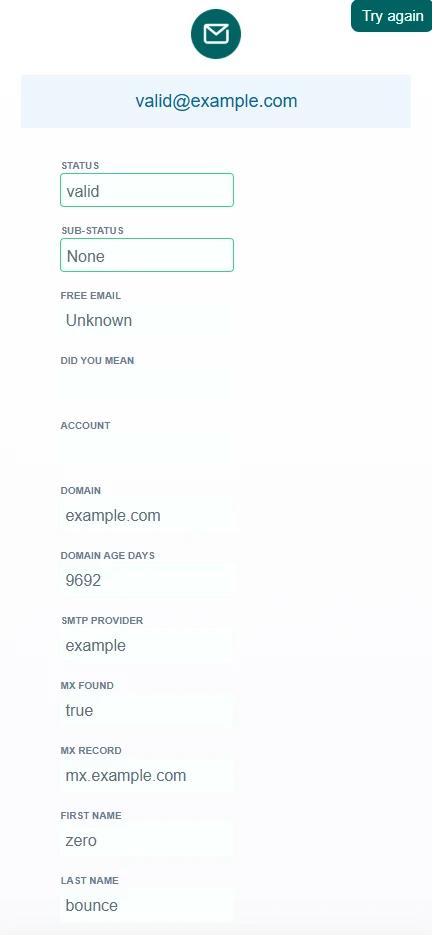
This email verification tool rapidly performs a series of checks, including:
If the address passes all of these checks, it’s considered valid. If any additional data is found, it’s provided in the sub-status field (e.g., do_not_mail, role-based catch-all). The sub-status field will also provide other helpful data, such as the domain name, SMTP provider, and MX record.
An email verification tool can accurately check any number of email addresses using its dedicated infrastructure and verification process.
The safest method for reliably verifying an email address is to use a dedicated email verifier.
Here’s how the ZeroBounce email verification tool works and delivers accurate results.
Lastly, there may be difficulty verifying certain email addresses based on the server configuration. In these cases, ZeroBounce will reattempt validation by testing from different IPs.
For an example, consider this case study with The Links Guy.
The Links Guy is a link-building agency with a 10% email bounce rateⓘ. For context, anything higher than 2% is a flag for ISPs and hurts your sender scoreⓘ. After cleaning his list with ZeroBounce, he’s reported that his campaign bounce rates are consistently 1% or lower.
To help you avoid email bounces, here’s how to verify an email address or list with ZeroBounce’s email verification tool.
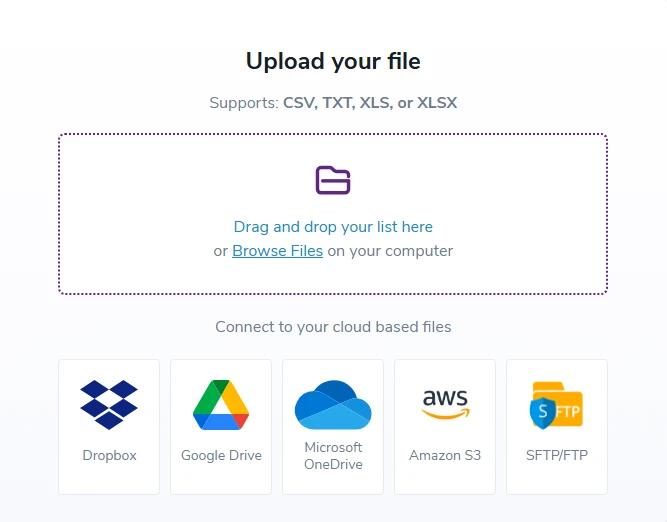
From the ZeroBounce dashboard, click Validate. Follow the steps for the option you choose below.
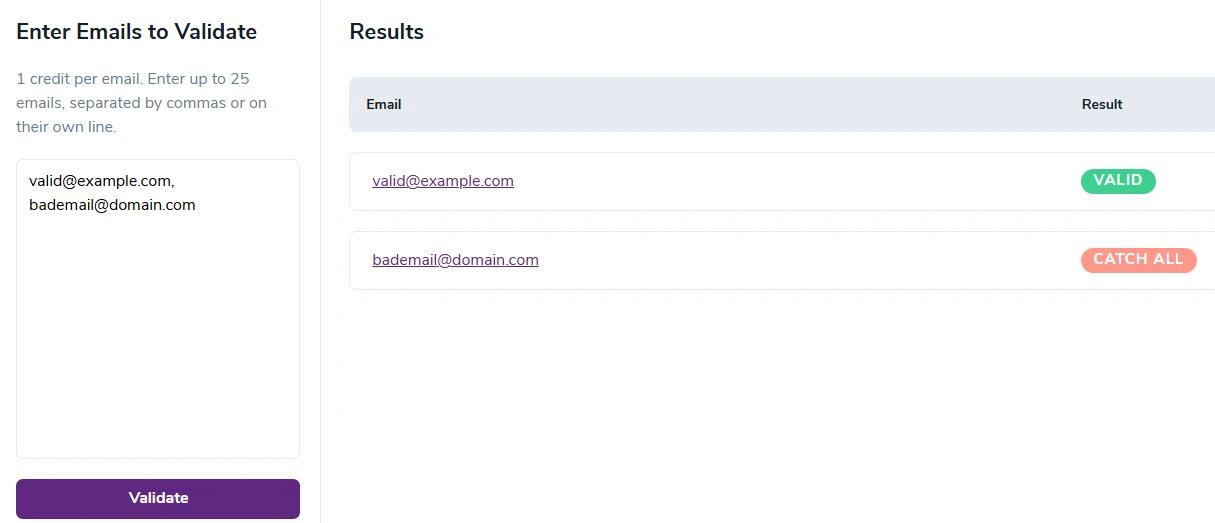
ZeroBounce allows you to integrate its email verification tool with 60+ platforms, including HubSpot, Salesforce, Mailchimp, and various ESPs, website builders, and CRMs.
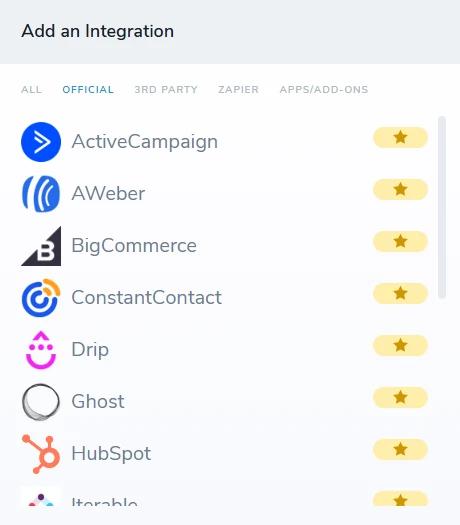
To connect an integration, select one from the list on the left. Alternatively, you can visit the ‘Integrations’ tab from your dashboard.
The process for connecting an integration varies by platform and type. However, most are simple and involve these steps:
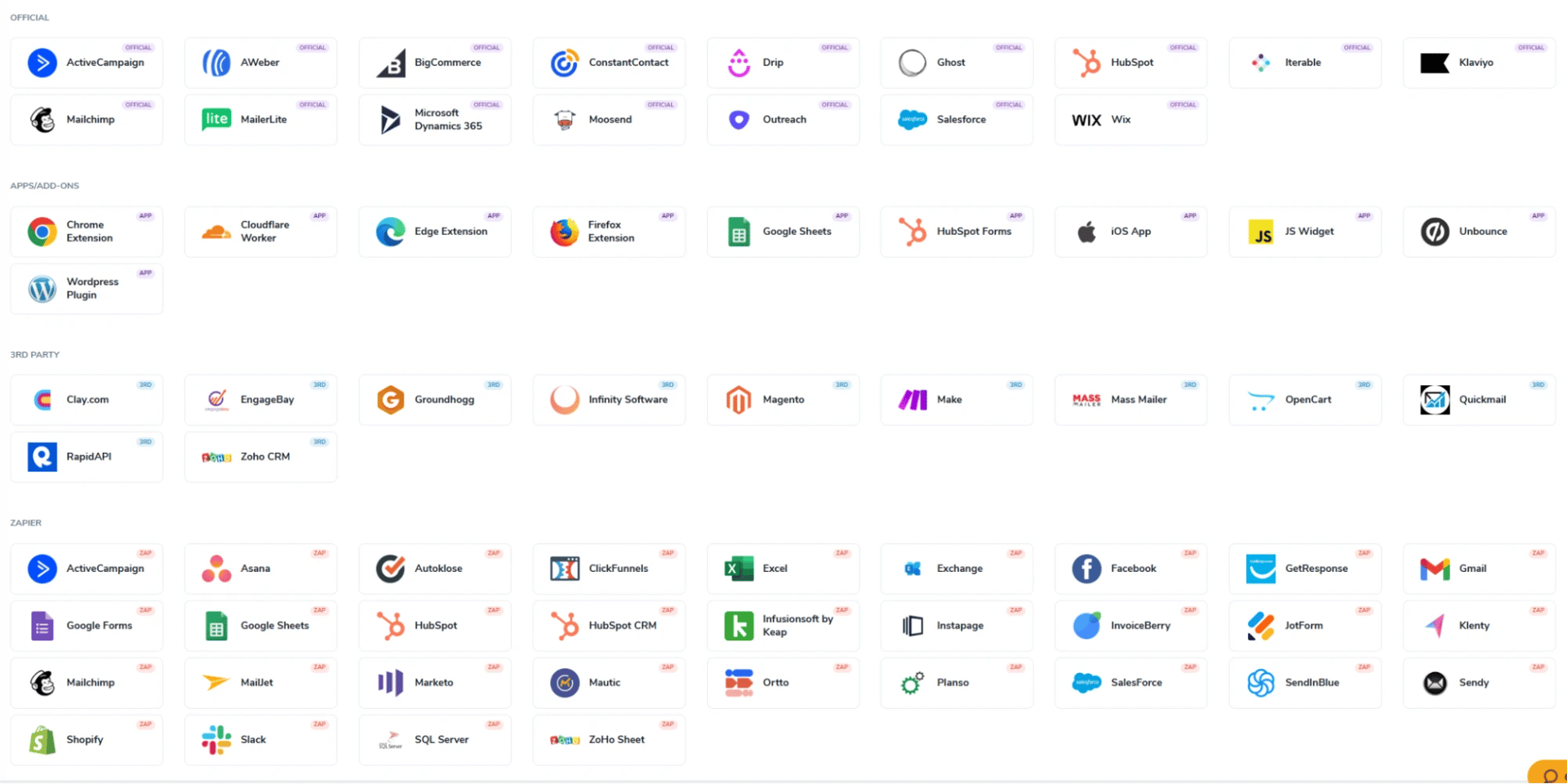
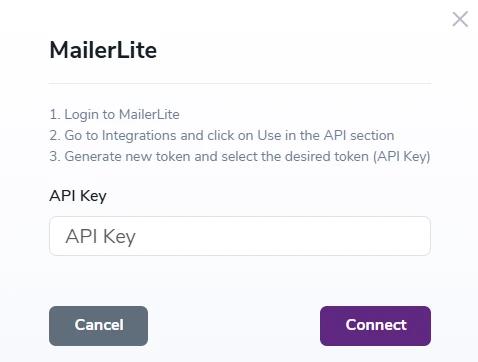
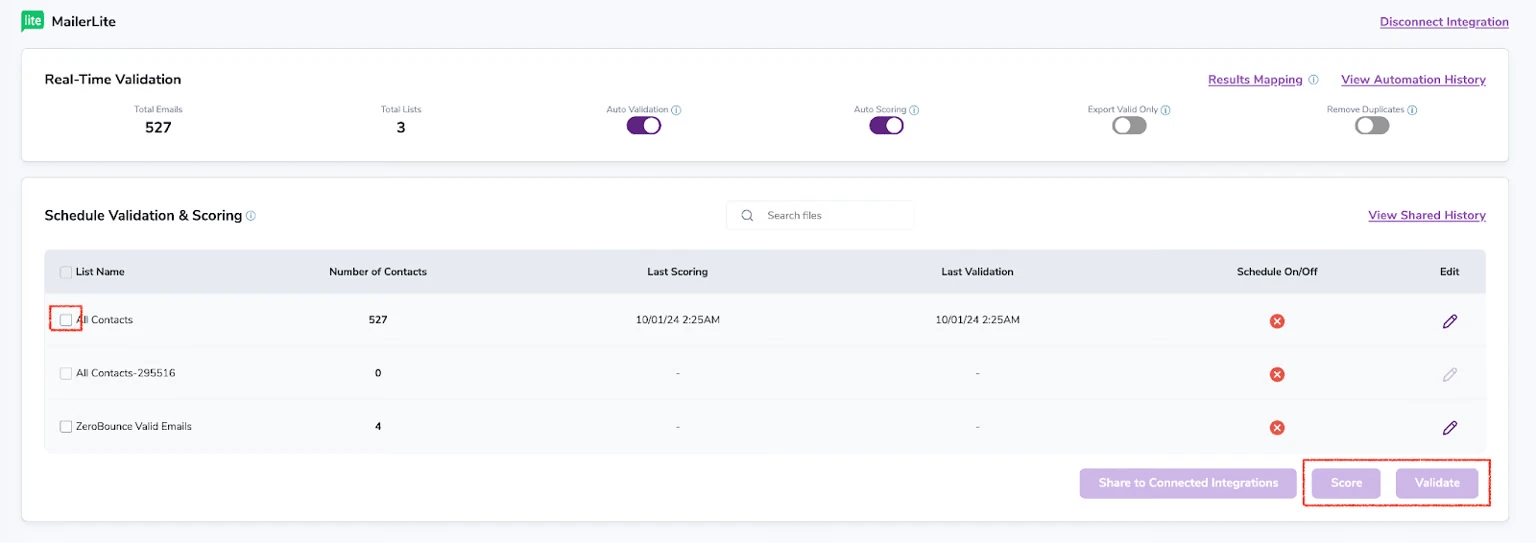
For step-by-step instructions regarding a specific email verification integration, visit the documentation.
By adding the ZeroBounce API to your website, platform, or any page with a signup form, you can automatically verify an email address.

![The ZeroBounce single ,[object Object], API with a red square that highlights where to place your API key.](/cdn-cgi/image/fit=scale-down,format=auto,quality=75,width=1920,metadata=none/free-email-verifier/assets_next/free-email-verifier/how-to-verify-email-address/how_to_verify_12.webp)
The email verification APIⓘ will automatically check email addresses entered into the associated field. If an email is valid, the user can submit it. If it’s invalid, the user will receive an appropriate error notification.
If you want to know how to verify an email address, keep these essential points in mind:
ZeroBounce can verify your email addresses with a 99.6% accuracy guarantee. Try it today – create a free account and receive 100 free email verification checks monthly!
Try ZeroBounce’s email verification free

Zach Nonnemacher is a former Content Manager at ZeroBounce. With seven years of digital marketing experience, he has created content for businesses across healthcare, finance, technology, SaaS, and real estate. During his time at ZeroBounce, Zach wrote extensively about email validationⓘ, deliverability, and email marketing.
Test our ZeroBounce's free email verifier tool by entering an email below.
or
Free email verification tools may deliver mixed results depending on the provider used. Some email verifiers may restrict certain features behind a paywall, limiting accuracy and the ability to detect certain email types. ZeroBounce, however, is reliable and provides 100 free email verification checks monthly with 99.6% accuracy.
Email verification is necessary for any mailing list, including small ones. It minimizes bounced emails and ensures the recipient receives the message. Additionally, maintaining a low bounce rate is essential for protecting your sender's reputation and inbox placement rates.
Email lists decay, on average, by 28% annually, meaning you should verify your lists once per quarter at a minimum. Consider using email verification more frequently if you’re adding high volumes of contacts or planning to scale your email outreach efforts.
There are no limits on the number of emails you can verify or file size when using ZeroBounce’s bulk email verification. For the batch email verification API, you can send batches of 200 email addresses at once, with a cap of five uses per minute.
You can automate email verification by adding the ZeroBounce email verification API to your website, CRM, or preferred platform. When an email address is entered into a qualifying field, the API will call ZeroBounce’s email verifier and return a verification result for the address.