What Is Vibe Coding? A Guide to AI-Assisted Software Development

Key takeaways
- Vibe coding uses AI to accelerate software development. Claude Code, Cursor, GitHub Copilot, Windsurf, Replit Agent, and even ChatGPT are helping developers build software faster.
- AI coding assistants still need human oversight. Developers remain responsible for reviewing code, testing applications, and implementing security and validation.
- You can add email validation to your vibe coding projects. If your application collects email addresses, validate them in real time to keep invalid, disposable, and risky email addresses out of your database.
All around the globe, vibe coding is changing how developers build software.
In the past, coding meant writing every line of code yourself. Now? You describe what you want to build, and AI helps generate it.
We’re going to explore why vibe coding has gotten so popular, along with a few best practices to help you build software safely.
Vibe coding changed software development
Software has always been about making work easier through automation. Over time, the tools developers use have evolved, just as spellcheck became a standard feature in word processors.
Software developers rolled up their sleeves and got to work using a programming language. The goal has always been the same: solve problems and make life easier. Even a video game solves a problem.
Nowadays, the way developers solve those problems is changing rapidly.
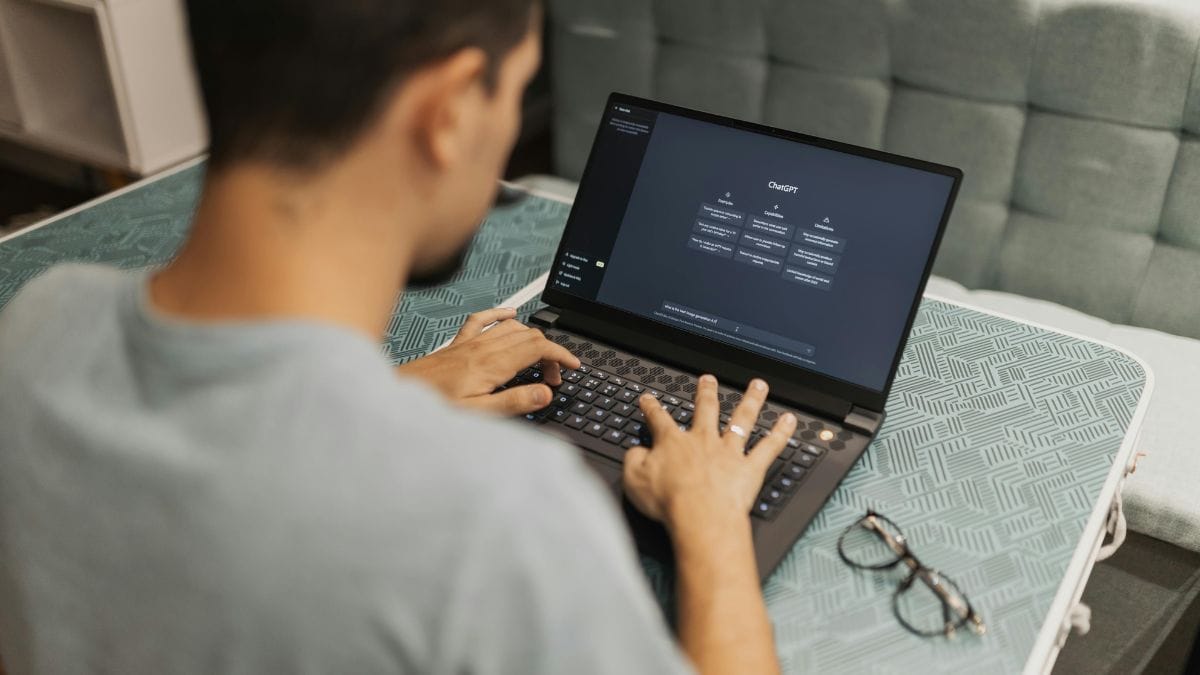
Where developers once started with a blank editor, today many start with a prompt. Instead of writing code, they describe what they want to build in plain language, and an AI coding assistant generates much of the code. This method is called vibe coding, and it’s becoming commonplace.
Vibe coding is used for everything from prototype applications to automating repetitive work and speeding up development.
Whether you’re developing a side project, launching a startup, or adding new features to an existing application, AI coding tools can take you from idea to working software in a way that’s never been done before.
Does that mean AI completely replaces developers? No. It simply changes how developers spend their time.
What is vibe coding?
Vibe coding is the practice of using AI to build software. In the past, you wrote every line of code yourself. With vibe coding, you describe what you want to build using everyday language, and an AI coding assistant generates most of the code for you.
Here are some examples. You can ask an AI to:
- Build a login page
- Create a REST API
- Connect to a database
- Design a responsive dashboard
- Generate unit tests
- Explain the existing code
What does that mean for you?
Rather than focusing on syntax, you can focus on the outcome you want to achieve. AI handles much of the repetitive coding, giving you more time to review, test, and refine the result.
The AI coding tools behind vibe coding
As vibe coding has increased in popularity, more and more AI coding assistants support this style of development.
The most popular include:
- Claude Code
- Cursor
- GitHub Copilot
- ChatGPT
- Windsurf
- Replit Agent
Each tool has its own strengths. Already, most people have their preferences, but all of them have their own end goal: to make software development faster by generating code, explaining complex logic, fixing the bugs, and helping developers work more efficiently.
Why developers embrace vibe programming
It’s easy to understand why vibe programming is getting so much attention and acceptance. Here are some of its benefits:
Faster development
AI can generate boilerplate code, APIs, forms, and common application logic in no time. It’s one of the things people are most thrilled about: it helps you move from idea to implementation much faster.
Simpler to learn
Developers can explore new frameworks or programming languages without constantly switching between documentation and tutorials. That makes it easier to learn new technologies while building.
More time for problem-solving
You get to ditch spending hours writing repetitive code. Instead, you can focus on architecture, user experience, and product decisions.
Better prototyping
Building a proof of concept often takes hours instead of days or a week. It’s much easier to test ideas before investing more development time.
But vibe coding still requires good engineering
You may hear all of this and think: Oh! So, with vibe coding, we can all use AI to write perfect software in an instant!
Here’s where reality enters the picture. AI certainly generates code, but developers still need to make sure it’s secure, reliable, and maintainable.
Even when using an AI coding assistant, it’s still necessary to review:
- Authentication
- Authorization
- Input validation
- Error handling
- Testing
- Performance
- Security
AI can dramatically cut the time needed for development, but it doesn’t replace a thoughtful human engineer.
Best practices for vibe coding
If you’re just getting started or already using AI coding tools regularly, a few good habits can greatly help you get better results.
Write detailed prompts
This is a universal rule for AI. The more context and instructions you provide, the more useful the generated code tends to be.
Review every response
And here’s another universal rule of AI use. Treat AI as an aide rather than an autopilot. Read the code closely before deploying it.
Test, test, test
Generated code should go through the same testing process as the code you write yourself.
Protect your application
Security, authentication, validation, and monitoring remain important parts of software development.
Shared code can reveal proprietary information like internal algorithms or business logic. So be mindful of what you share with AI tools. Avoid including proprietary code, sensitive business information, or internal algorithms unless you’re sure it complies with your organization’s policies.
Validate emails when vibe coding
Lots of applications collect email addresses through signup forms, contact forms, newsletter subscriptions, waitlists, checkout pages, CRM integrations, and many other ways.
If those email addresses aren’t validated before they’re stored, invalid or disposable email addresses can quickly make their way into your database.
Adding real-time email validation helps keep bad data out of your database from the start. It lets you:
- Prevent bot signups
- Stop people from using disposable emails
- Reduce hard bounces
- Protect your sender reputation
- Improve the quality of your customer data
- Keep analytics accurate
The good news is that you don’t need tons of additional knowledge to navigate the waters. You don’t need to write the integration from scratch or spend hours reading API documentation.
You can use the ZeroBounce email validation API. Simply prompt your AI coding assistant to generate an integration for you. Whatever you use – Claude Code, Cursor, GitHub Copilot, ChatGPT, Windsurf, Replit Agent, or some other AI coding tool – you can add real-time email validation in mere minutes.
Learn how to add email validation to your vibe coding projects.
Is AI coding the future?
AI coding assistants are improving fast, and they’re already transforming how developers build software.
As these tools continue to develop, they’ll likely become a standard part of many development workflows. But however sophisticated AI becomes, developers will still need to make decisions about architecture, security, and testing.
Vibe coding doesn’t have to be about replacing developers. Instead, it can help them spend more time solving problems and less time writing repetitive code.
The real power of vibe coding comes from combining AI’s speed with human judgment and good engineering practices.
So, is AI coding the future?
No.
AI coding is right now.
Frequently asked questions about vibe coding
Vibe coding is an AI-assisted method of building software. Developers describe what they want to build in natural language, and an AI coding assistant generates much or all of the code needed to create the application.
No. Experienced developers use vibe coding to work faster, while beginners often use it to learn basic programming concepts and build projects more easily.
Some of the most popular options include Claude Code, Cursor, GitHub Copilot, ChatGPT, Windsurf, and Replit Agent. Many other AI coding assistants offer similar capabilities.
No. AI can generate code, but developers are still needed to review, test, secure, and maintain their applications.
Yes. You can integrate the ZeroBounce Email Validation API into applications built with virtually any AI coding assistant to verify email addresses before they enter your database.
Table of Contents
- Key takeaways
- Vibe coding changed software development
- What is vibe coding?
- The AI coding tools behind vibe coding
- Why developers embrace vibe programming
- Faster development
- Simpler to learn
- More time for problem-solving
- Better prototyping
- But vibe coding still requires good engineering
- Best practices for vibe coding
- Write detailed prompts
- Review every response
- Test, test, test
- Protect your application
- Validate emails when vibe coding
- Is AI coding the future?
- Frequently asked questions about vibe coding
Related Posts
-
 Read Story
Do you store your email lists with Amazon S3? Here’s how to check those emails with ZeroBounce in no time. Give your next email ca...
-
 Read Story
Before your next Mailchimp campaign, check your contacts for invalid and risky email addresses that could affect your deliverabili...
-
 Read Story
Gong Enrich helps sales teams find missing contact data without disrupting their workflows. With ZeroBounce email validation built...
-
 Read Story
If you’ve tested ZeroBounce, you’re not asking your boss to take a chance on a tool you’ve never used. You already have your first...
-
 Read Story
Catch-all vs. invalid emails: both can put your deliverability at risk, but for very different reasons. Learn how to tell them apa...
-
 Read Story
Key takeaways Secure email gateways (SEGs) can make valid email addresses appear as catch-all or unknown during a standard SMTP va...